Technical documentation for mechanical engineering that keeps pace with your technology
Document complex mechanical engineering products in an easy-to-understand way – in compliance with standards, on schedule and tailored to variants.
Technical documentation for mechanical engineering that works
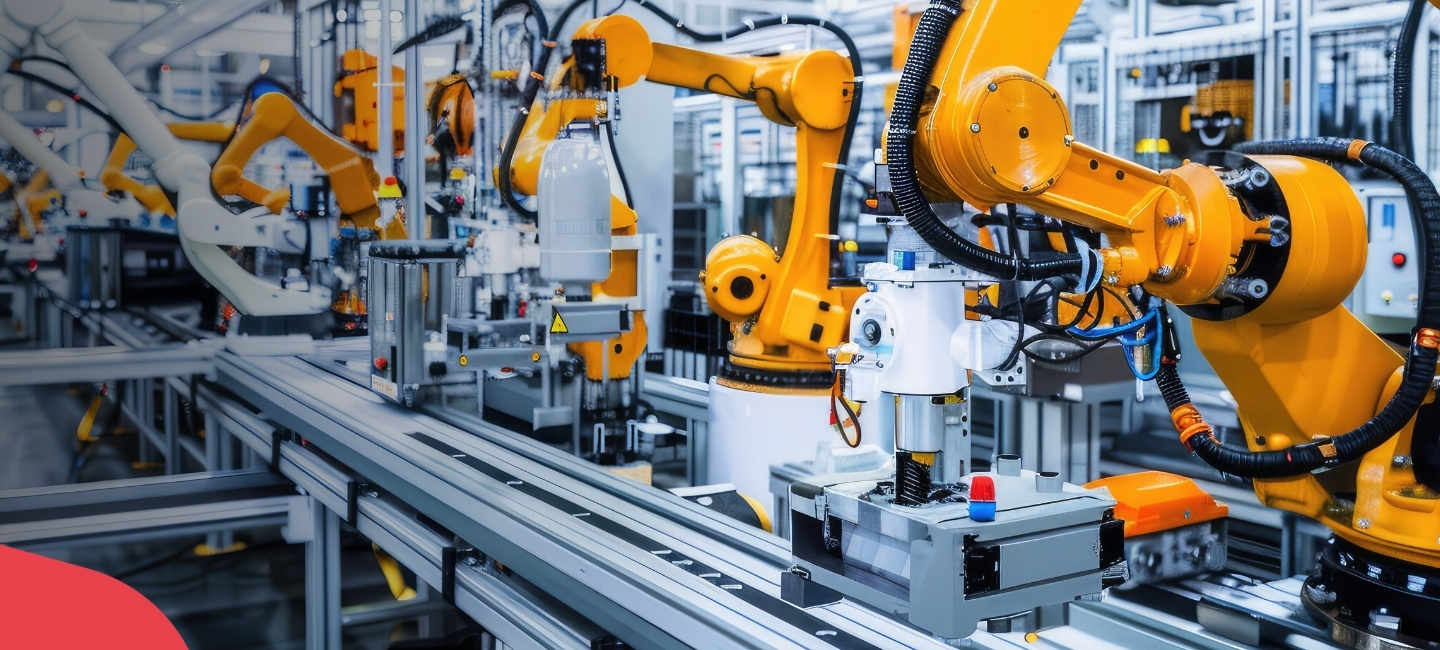
When deadlines are tight, products complex and requirements diverse, technical documentation for mechanical engineering needs clear structures and reliable processes. We support you in compiling information in good time, maintaining it efficiently and making it usable for different target groups. This creates documentation that fits the machine, your processes and the users’ everyday workflows.

Safeguard delivery dates more effectively
We coordinate the documentation at an early stage with development, design and project planning. Missing information and open decisions become apparent before they jeopardise the delivery date.

Make complexity manageable
Variants, options and customer-specific versions do not have to result in just as many individual documents. Clear structures and reusable content reduce the effort required to maintain mechanical engineering documentation.

Implement requirements reliably
We take into account the specifications relevant to your product and your target markets. This includes reviewing CE-related documentation and safety information, and coordinating this work with the risk assessment.

Make information more usable
A clear structure and appropriate output formats help operators, service personnel and owners find the information they need more quickly. On paper, in PDF or via digital applications.
Case studies from mechanical and plant engineering


What our customers say

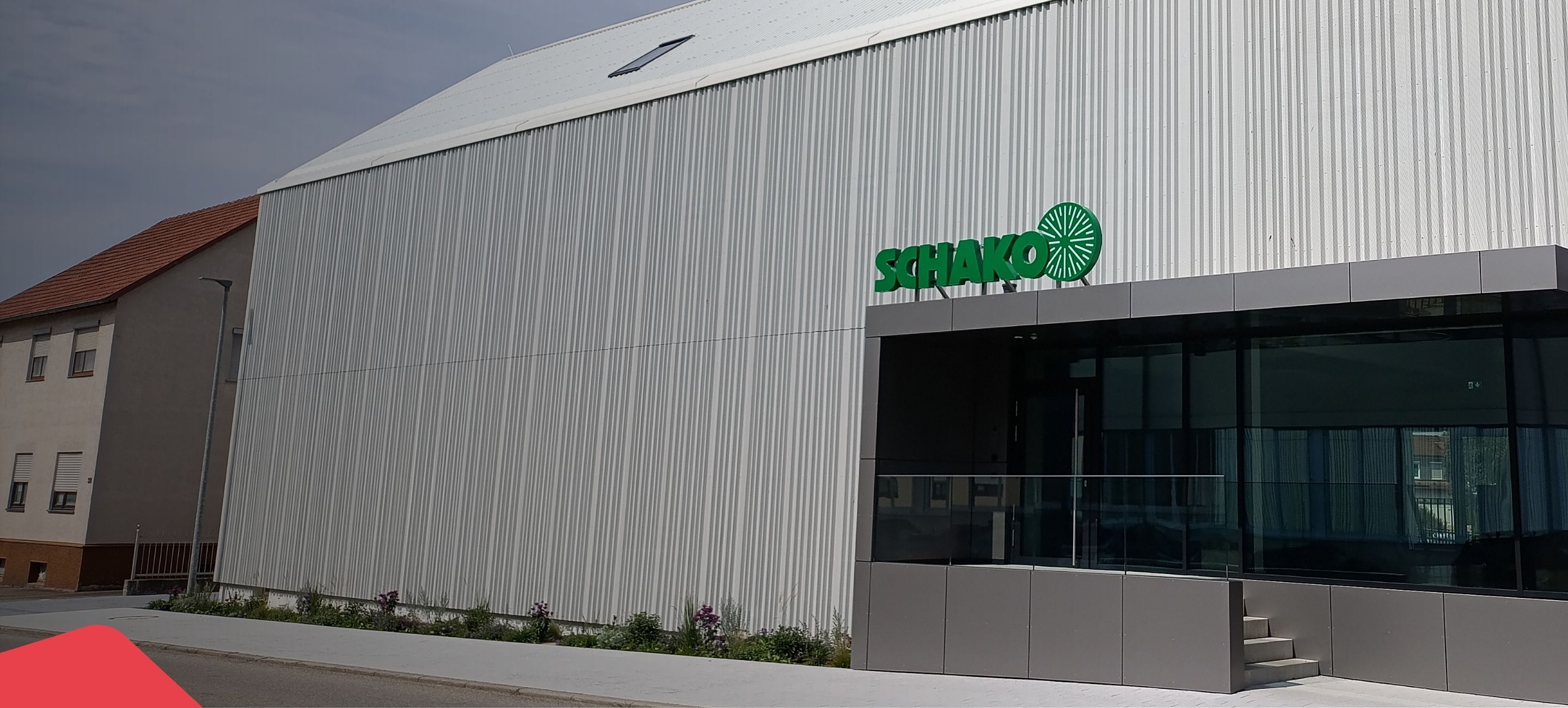
"With Paligo and the new processes, our technical writing has reached a completely new level: We have clear roles, transparent workflows and a platform where everyone collaborates. Changes and new requirements now come in an orderly way via the requirements portal, we can reuse content in a targeted manner and publish it appropriately for different target groups. kothes helped us turn many individual actions into a professional, future-proof documentation organisation."
Nicole Eisl
Head of technical documentation
SCHAKO

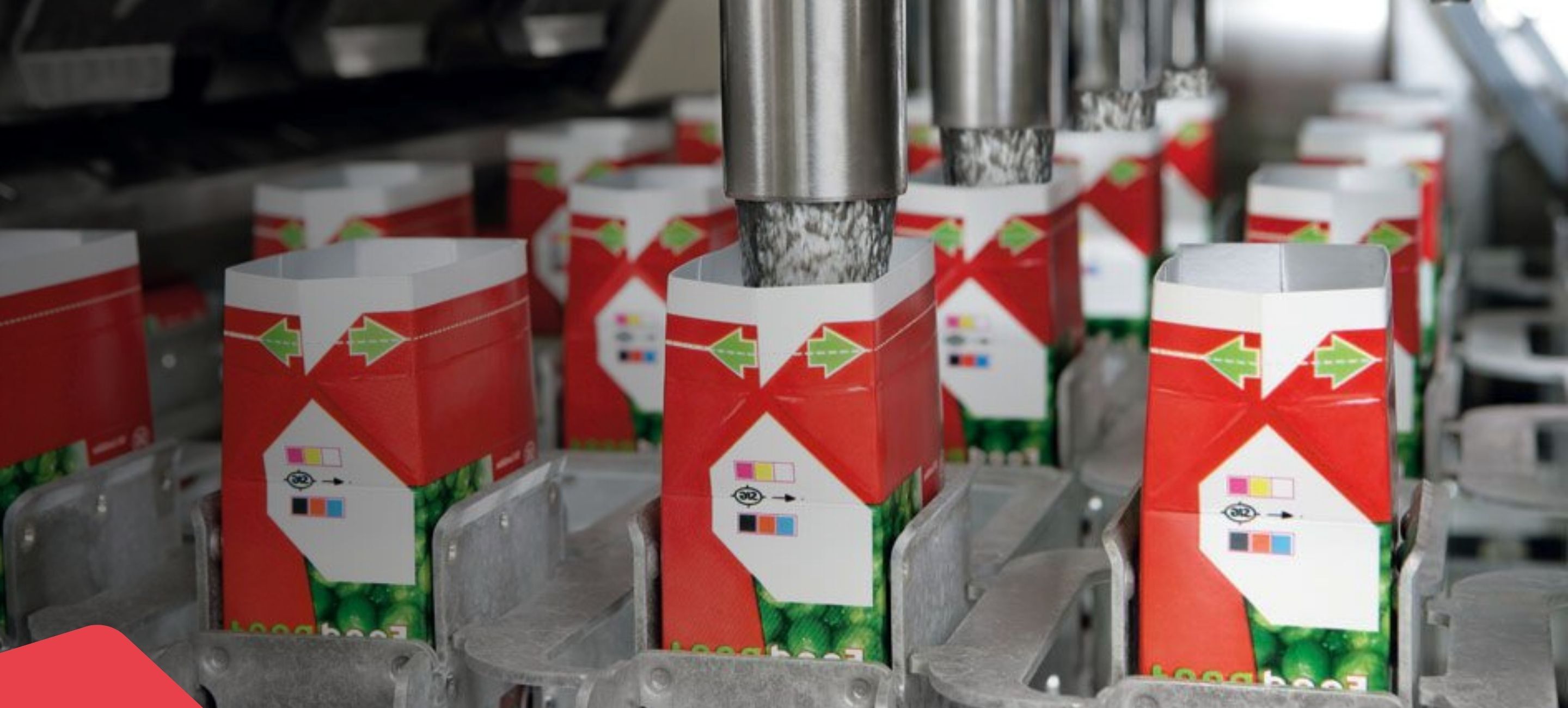
"Many years ago, kothes took over responsibility not only for creating the technical documentation for SIG, but also for handling day-to-day business, translations, reprography and even hosting the content management system. This gives us more freedom to focus on our main tasks: the further development of carton packaging systems. Over the years we have come to know kothes not only as a trustworthy and competent partner, but also as a company that is always on hand to provide advice so that we can take the right steps into the future of technical documentation. Of course, this only works if you move as well! We look forward to continuing our good collaboration."
Dirk Noske
Head of Legal Compliance & Documentation
SIG Combibloc Systems GmbH

"Thanks to the practical consulting from kothes, through a joint specification and implementation of an interface between SAP and our content management system, we have significantly increased efficiency in creating standard and modified documentation."
Heiko Nickel
Standards & Editorial Office | T-SE
Aerzener Maschinenfabrik GmbH

"Our expectations of kothes are always met and even exceeded by their competent service. kothes is our reliable partner when it comes to translations."
Ansgar Huning
technical documentation/facility management
TEUPEN Maschinenbau GmbH

"Technical documentation and training go hand in hand for us. For this reason, we are pleased to have kothes as a reliable partner. kothes supports our vision of creating a modern, digital documentation and training offering for our customers with creative solution approaches and practical implementation."
Christian Hitzler
Head of Training and Documentation
Voith Paper

"Within a very short time, kothes managed to gain an overview of our specific situation. The approach taken in the consulting project was always adapted in an agile way to the new circumstances, depending on the current situation – always with an eye on the actual project objective."
Christian Körner
Vice President Documentation, Processes & Master Data Management
Körber Supply Chain Automation

"Without exaggeration, one can give a 10 in the area of service. The team spared no effort, time and again explaining things and also asking questions. This goes far beyond the normal level of commitment. It is truly outstanding. kothes could be cheaper, but everything has its price."
Klaus Spielvogel
technical writer
Humboldt Wedag GmbH

"I came to appreciate the quality of the translation services at my previous employer, which is why I also introduced kothes as a language service provider at TOMRA Sorting. So far, we have commissioned translations from kothes in over 30 languages, from Italian and Arabic through to Chinese. The translation management convinces us with its expertise, ensures good language quality and reliably meets the agreed delivery deadlines."
Gabriele Radzuweit
Technical documentation Team Leader / CE Coordinator
TOMRA Sorting GmbH

"In addition to introducing the system, kothes also gave us active support with the authoring and through training on the job. This meant we received everything from a single source. We can call them at any time and our project manager is always quickly on hand with help and advice. The support is then provided immediately afterwards in the form of on-site coaching."
Sandra Remmler
technical writer
SUSS MicroTec Solutions GmbH & Co. KG
"With Paligo and the new processes, our technical writing has reached a completely new level: We have clear roles, transparent workflows and a platform where everyone collaborates. Changes and new requirements now come in an orderly way via the requirements portal, we can reuse content in a targeted manner and publish it appropriately for different target groups. kothes helped us turn many individual actions into a professional, future-proof documentation organisation."
Nicole Eisl
Head of technical documentation
SCHAKO
"Many years ago, kothes took over responsibility not only for creating the technical documentation for SIG, but also for handling day-to-day business, translations, reprography and even hosting the content management system. This gives us more freedom to focus on our main tasks: the further development of carton packaging systems. Over the years we have come to know kothes not only as a trustworthy and competent partner, but also as a company that is always on hand to provide advice so that we can take the right steps into the future of technical documentation. Of course, this only works if you move as well! We look forward to continuing our good collaboration."
Dirk Noske
Head of Legal Compliance & Documentation
SIG Combibloc Systems GmbH