A project report on the selection of a custom-fit Learning Management System and the conversion from face-to-face learning to blended learning.

Training downtime during lockdown
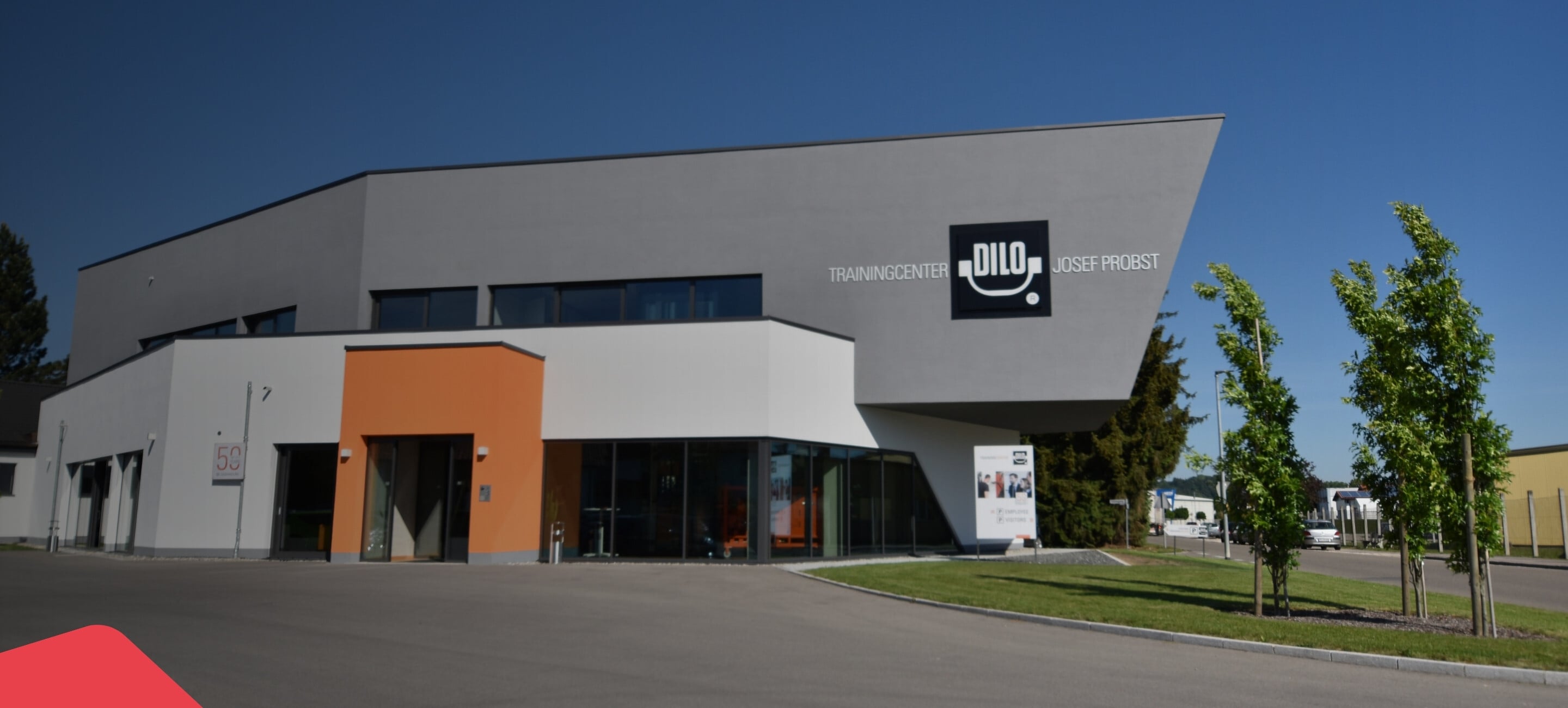
By the spring of 2020, DILO had completed approximately 560 training days on-site or at the training centre in Babenhausen and trained around 2,500 participants annually in SF6 gases and its own products. The first lockdown put an end to this sales tool. However, DILO was prepared: The company had already decided to supplement classroom training with digital formats. The goals were to enable flexible learning, strengthen customer loyalty, provide globally recognised SF6 certification and reduce travel. To this end, DILO introduced a learning management system and developed a blended learning concept.
How can external support help with the selection?
DILO was looking for support in selecting and implementing a global learning management system. The aim was to structure and prioritise the requirements and evaluate providers objectively. A practical test was designed to determine from a technical perspective whether the planned blended-learning concept could be implemented. The concept was intended to combine e-learning, webinars and face-to-face training in a meaningful way. In addition, kothes supported DILO in developing trainer capabilities and establishing editorial and translation processes, enabling flexible, practical customer training that could be delivered worldwide.

Support in selecting a system
Structure requirements, compare providers objectively and select the right LMS through practical testing.

Empowering DILO
Establish trainer, editorial and translation processes for creating digital training courses.

Develop a practical learning concept
Combine face-to-face training, webinars and e-learning in a meaningful way – including learning objectives, methods and assessment of learning success.

How can you find the right Learning Management System?
To identify the right e-learning system for DILO from the many options available, we first defined the requirements and knock-out criteria in a joint workshop. More than 100 criteria were prioritised, including EU-based server hosting, required languages, MS Teams integration and the potential for an integrated payment system. After researching providers, making a preliminary selection and reviewing product presentations, DILO tested the frontrunners in a pilot project. This made it possible to assess whether the planned instructional concept could be implemented in the system in a practical and effective way.

How does DILO reflect upon the project and the cooperation with kothes?
At the start of the project, DILO set a clear goal: “One year from today, we will be able to offer our customers their first training session through the new learning management system.” That is exactly what they achieved. Within a year, DILO had selected and implemented an LMS while simultaneously developing a suitable instructional concept. The training team regrouped, established technical editorial and translation processes, and now also creates e-learnings and webinars in addition to face-to-face training courses. An ambitious achievement that we at kothes are also proud of. We really enjoyed this project and would like to thank all contributors at DILO.

"The project was handled very professionally and efficiently. The milestones were reached on time, the breakdown of the individual project steps was coherent, and the targets in terms of time, content, and costs were also met. The timeline was always tight and certainly presented kothes with one or two difficulties, but the capacities were planned both well and correctly. Also, the positive attitude and enjoyment of the project on kothes' side also contributed to the overall success."
DILO